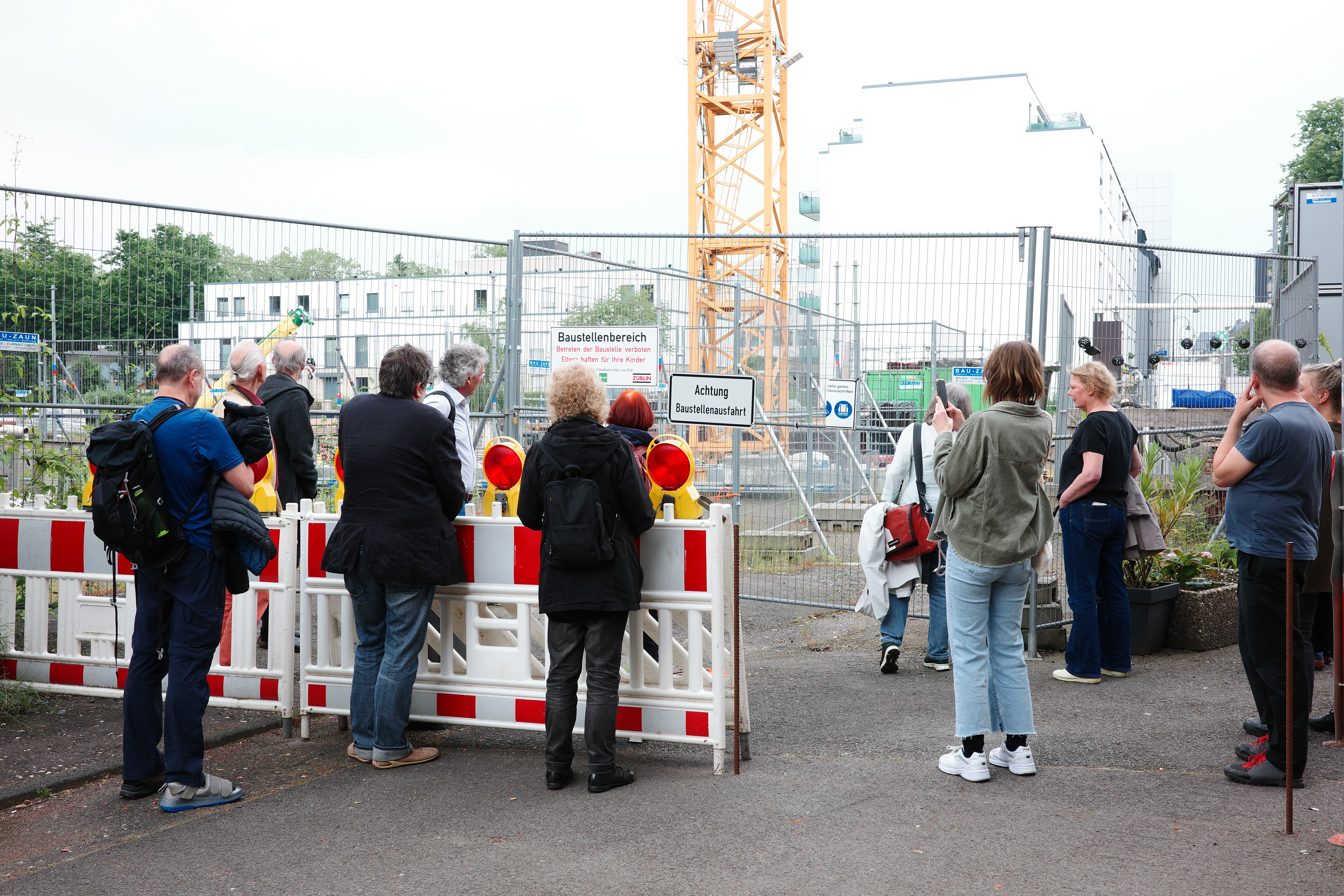
Appeal Momentum 2024, solo exhibition at Matjö, Raum für Kunst, Cologne
On March 3, 2009, the Historical Archive of the City of Cologne collapsed. Two residents lost their lives, and thousands of archival documents disappeared beneath a mountain of rubble and debris. Such catastrophes leave behind not only destruction but also ruptures in the collective memory. Anger, grief, fear, and uncertainty – accompanied by the question of why – preoccupied residents, activists, politicians, and the judiciary.
The work shown here comprises photographs and videos. One of the videos features a recovered object: a piece of concrete with two steel beams protruding from it – a relic of the collapsed archive, salvaged from the chasm of the disaster. In the newly constructed city archive, such fragments are preserved and made accessible. When an employee unpacked this object and placed it on a table, the steel beams began to move. For a moment, the rigid material seemed to unfold a peculiar vitality – a faint echo of the collapse. The second video shows the upper part of a freezing system that had been installed for years at the edge of the collapse site. At regular intervals, smoke escapes, like the breathing of a body that cannot come to rest. In the third video, workers descend into the chasm – a movement into the void left behind by the collapse.
The photographs, in turn, focus on the carefully bubble-wrapped recovered objects. The foil clings to the fragments like bandages – almost tender, almost protective. In this way, the relics appear not only as traces of the catastrophe but also as fragile bodies that continue to resonate in their vulnerability and woundedness.
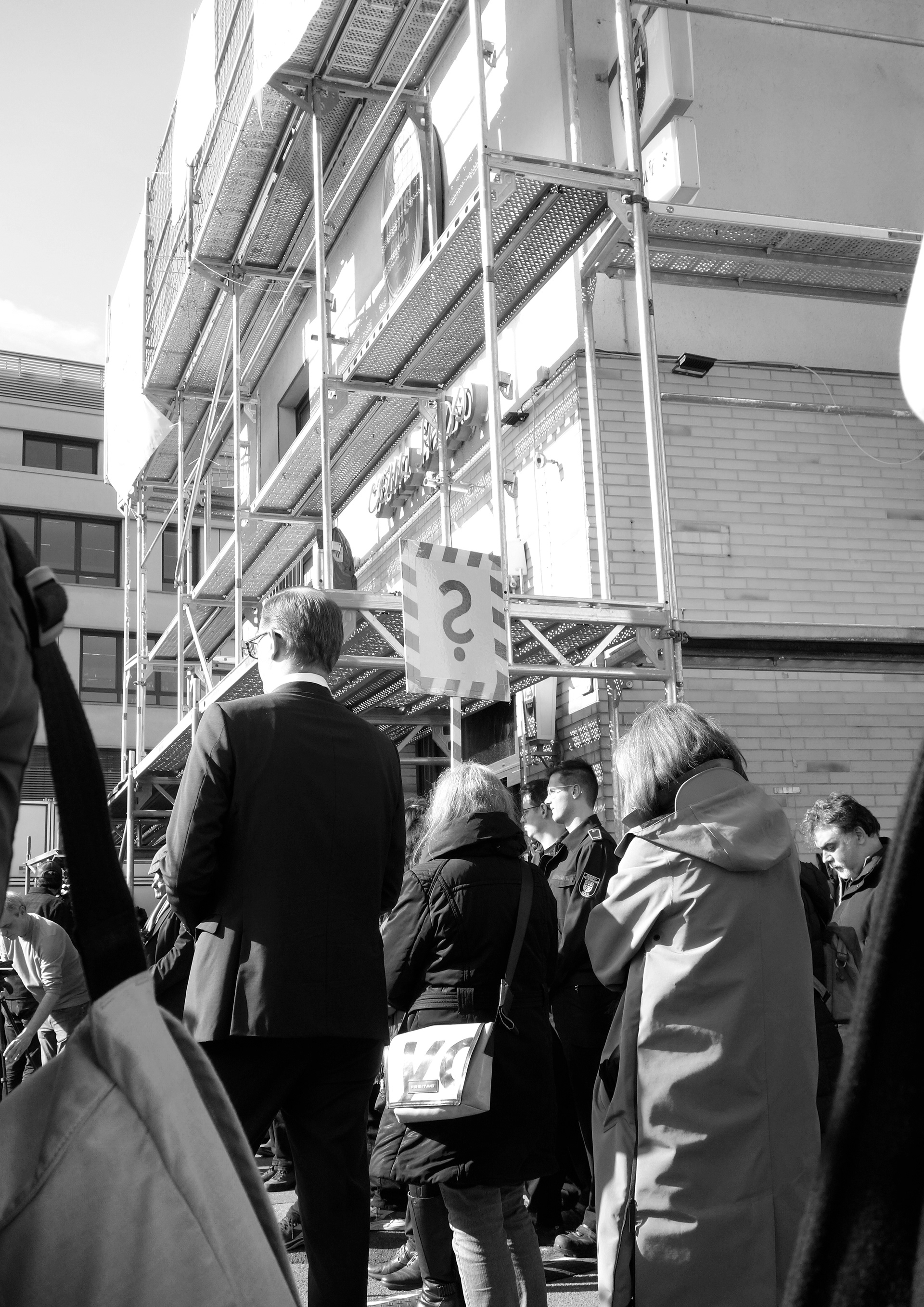
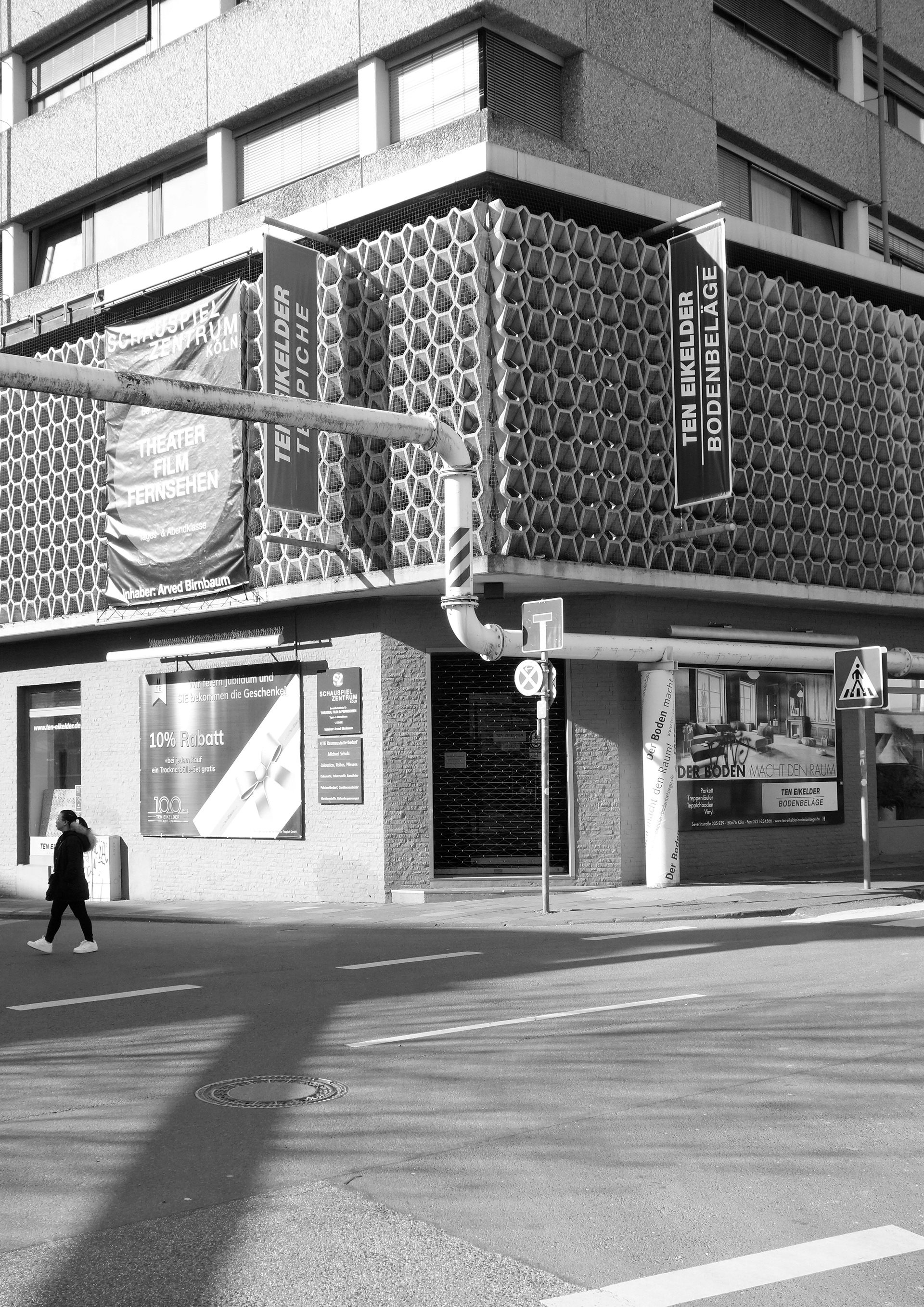
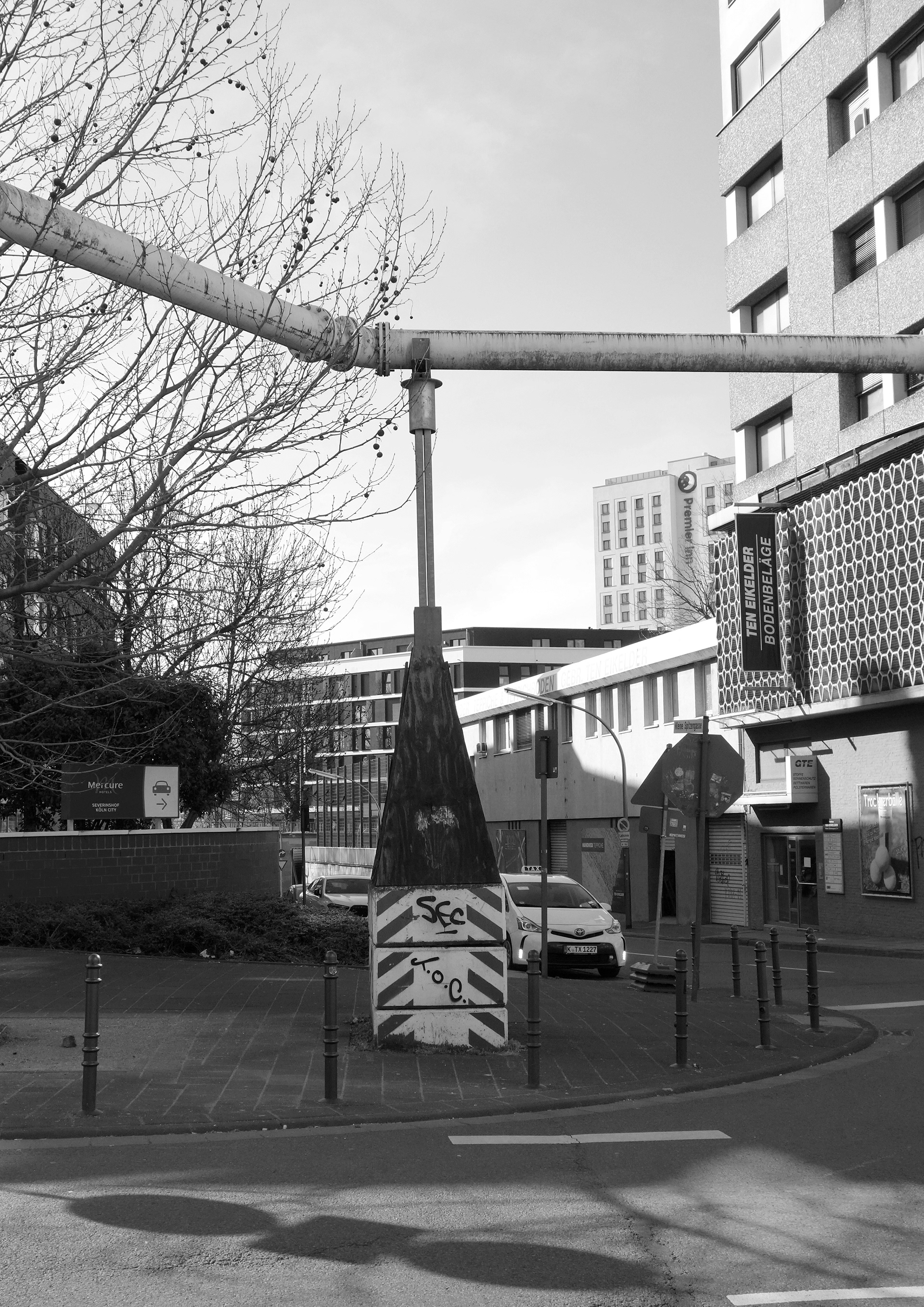
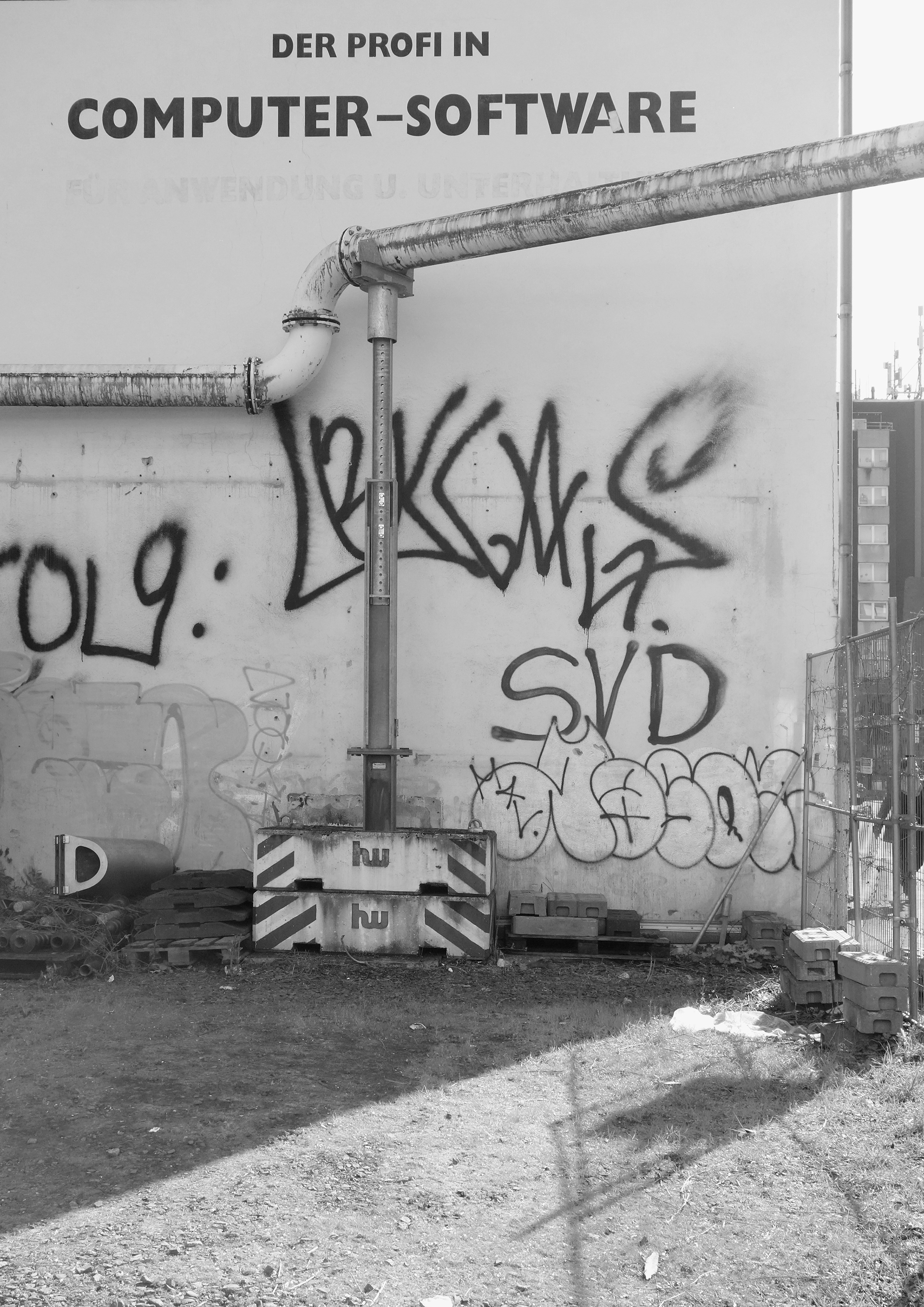
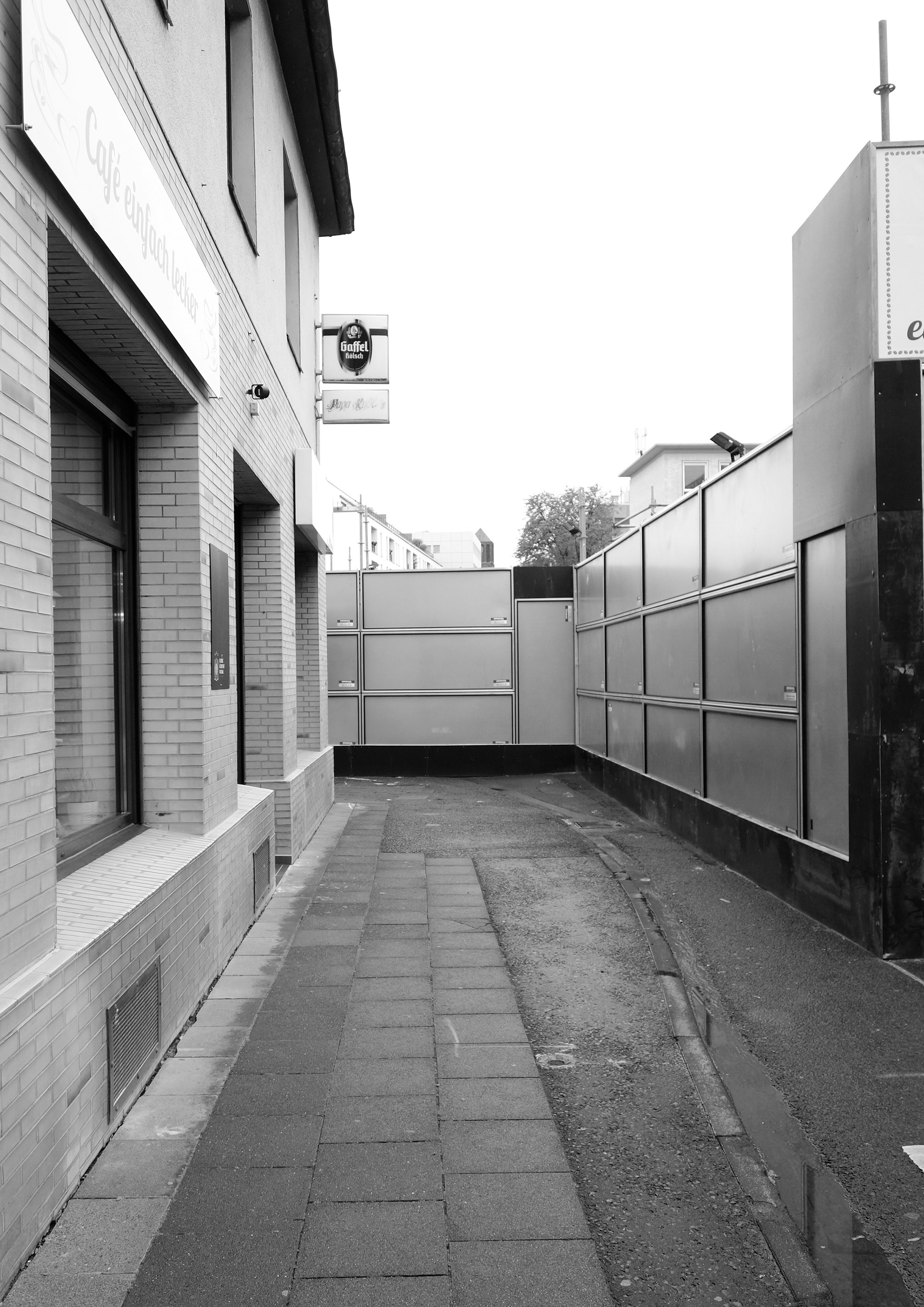
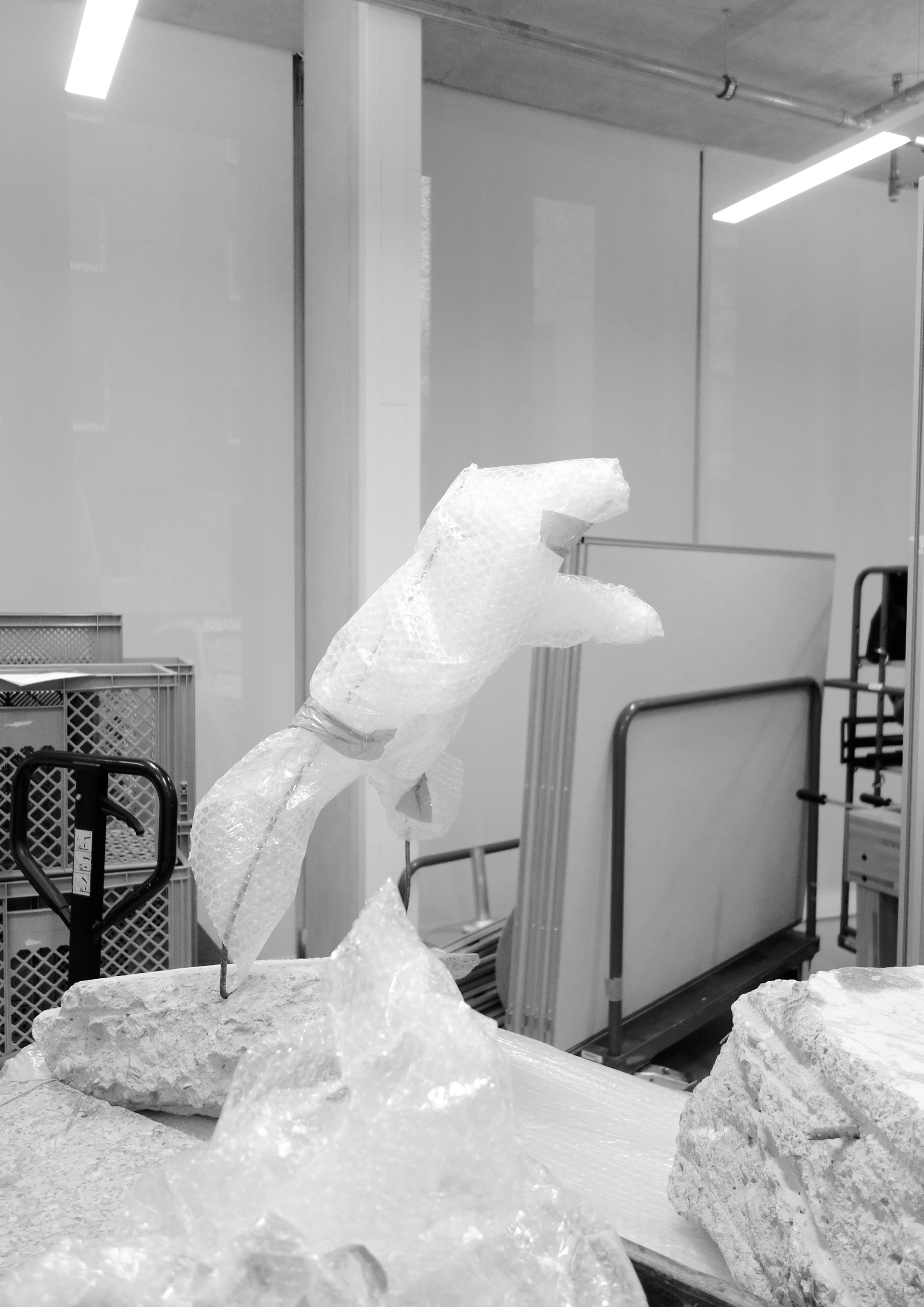
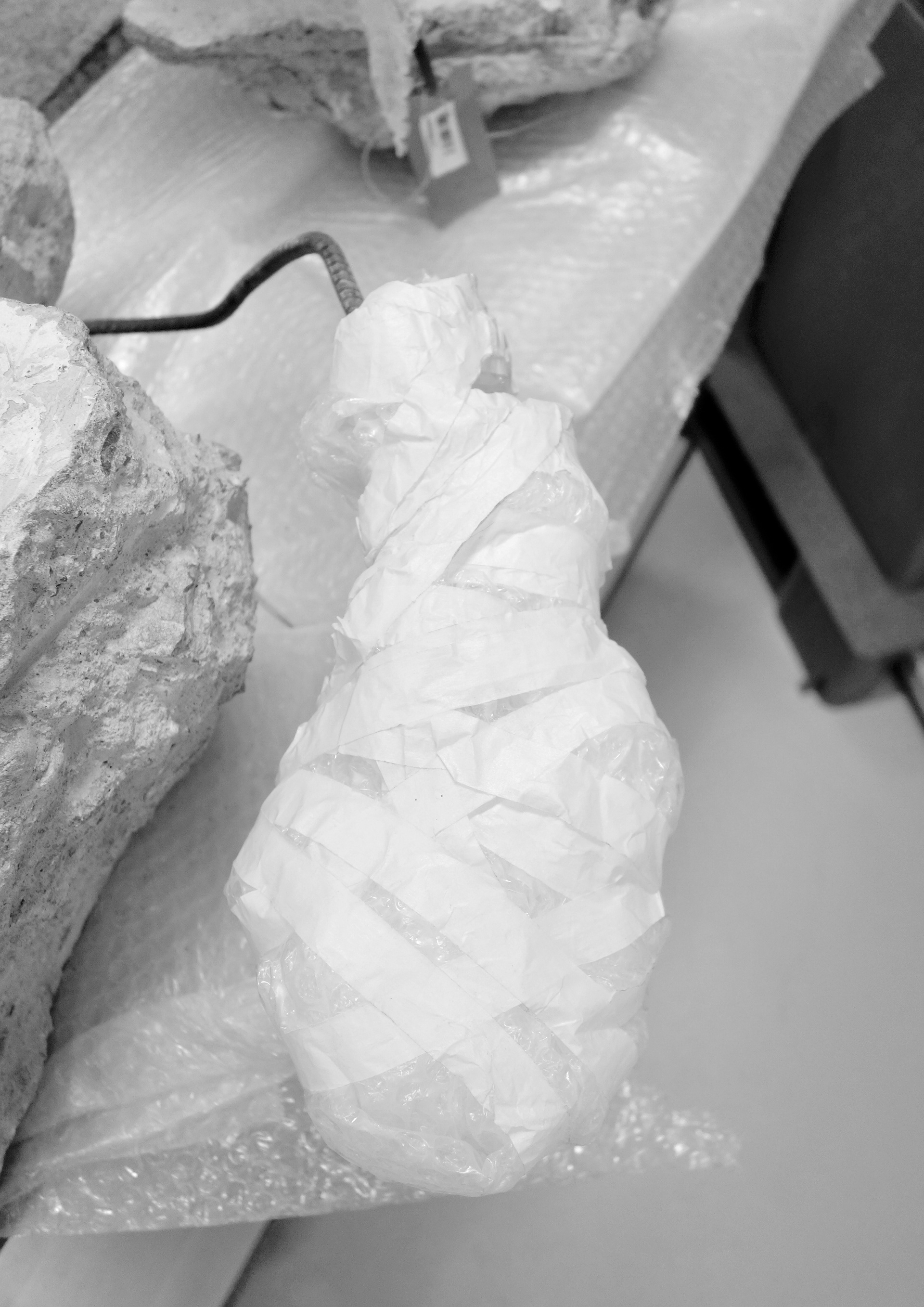
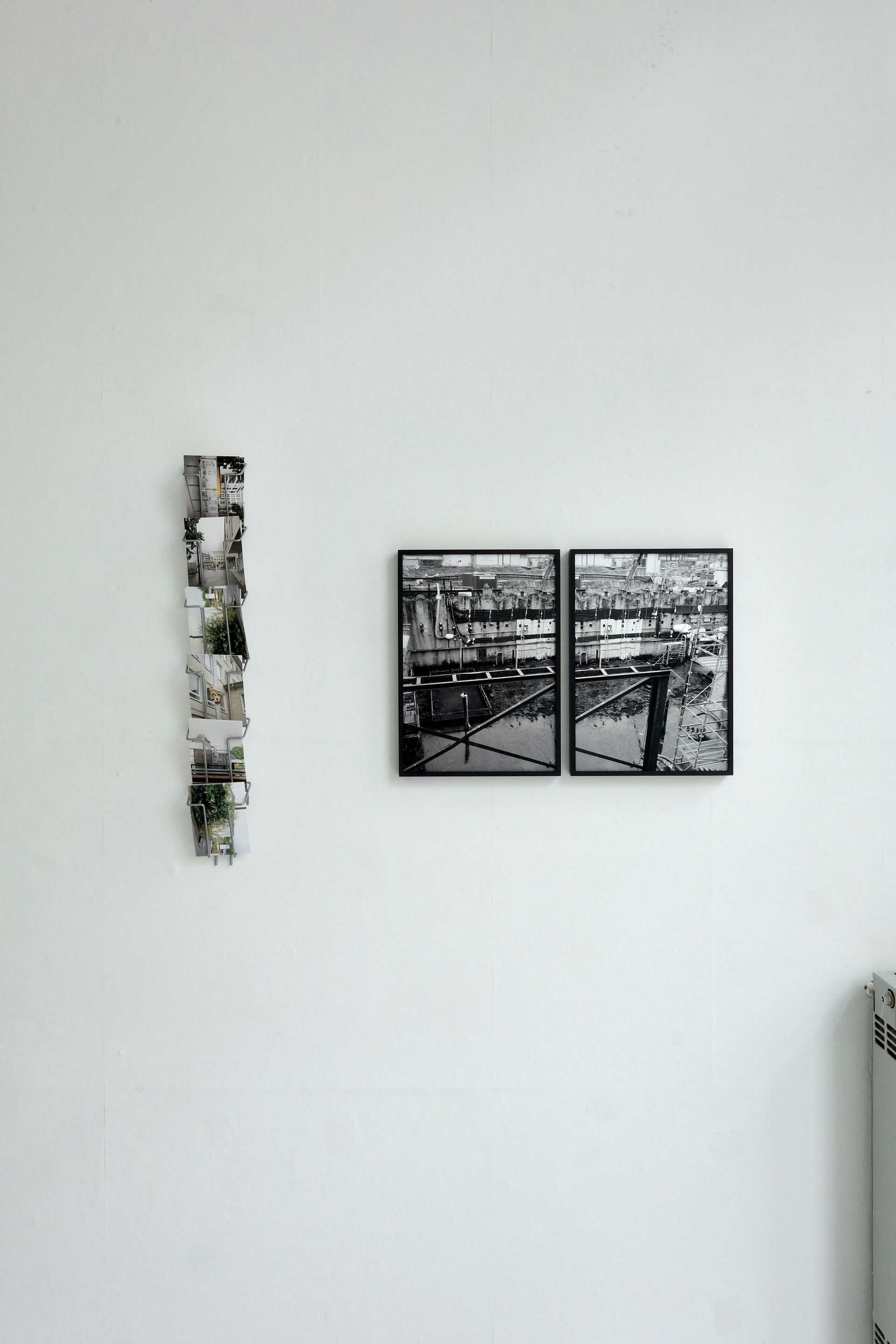
Installation view Matjö
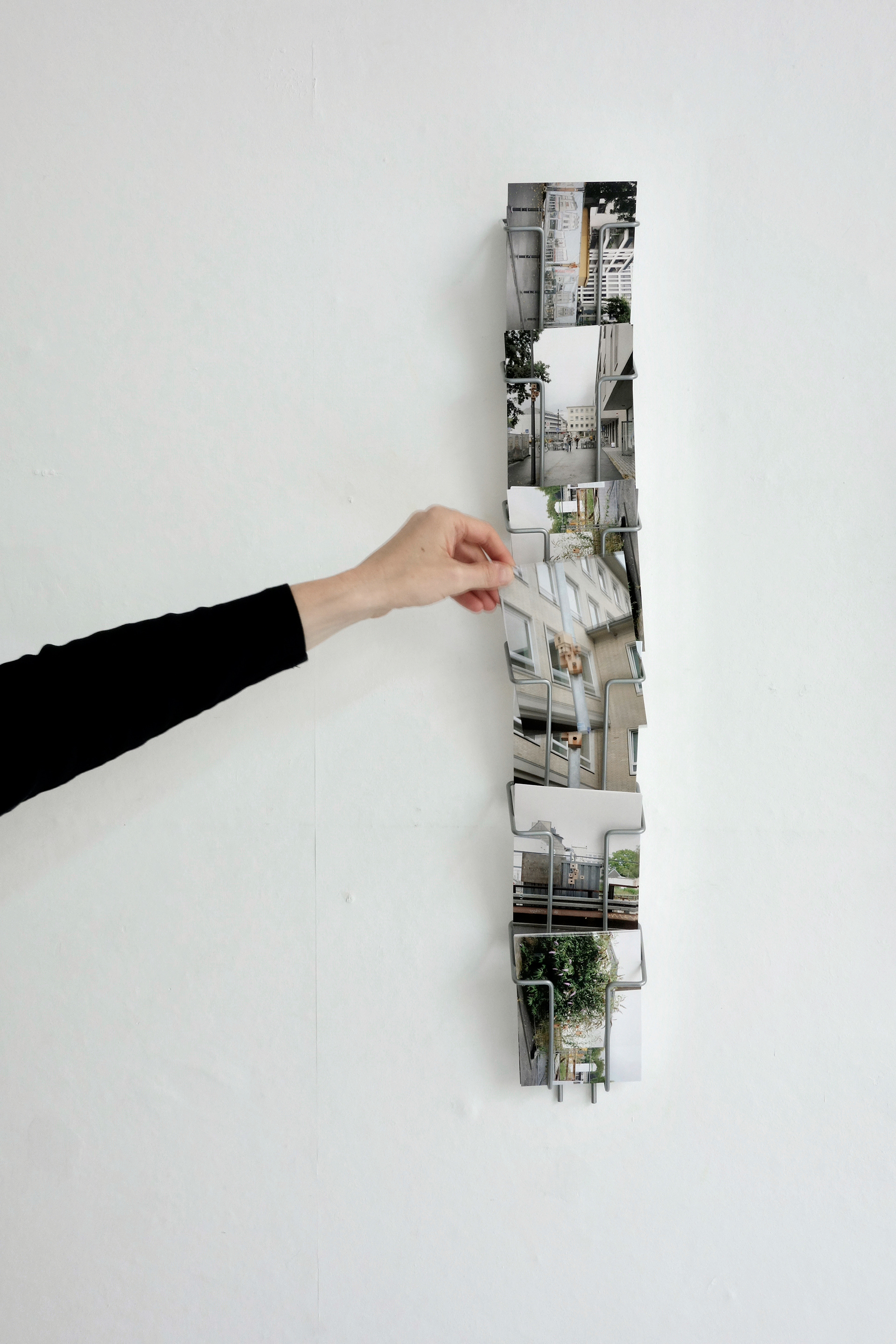
Postcards, Installation view Matjö
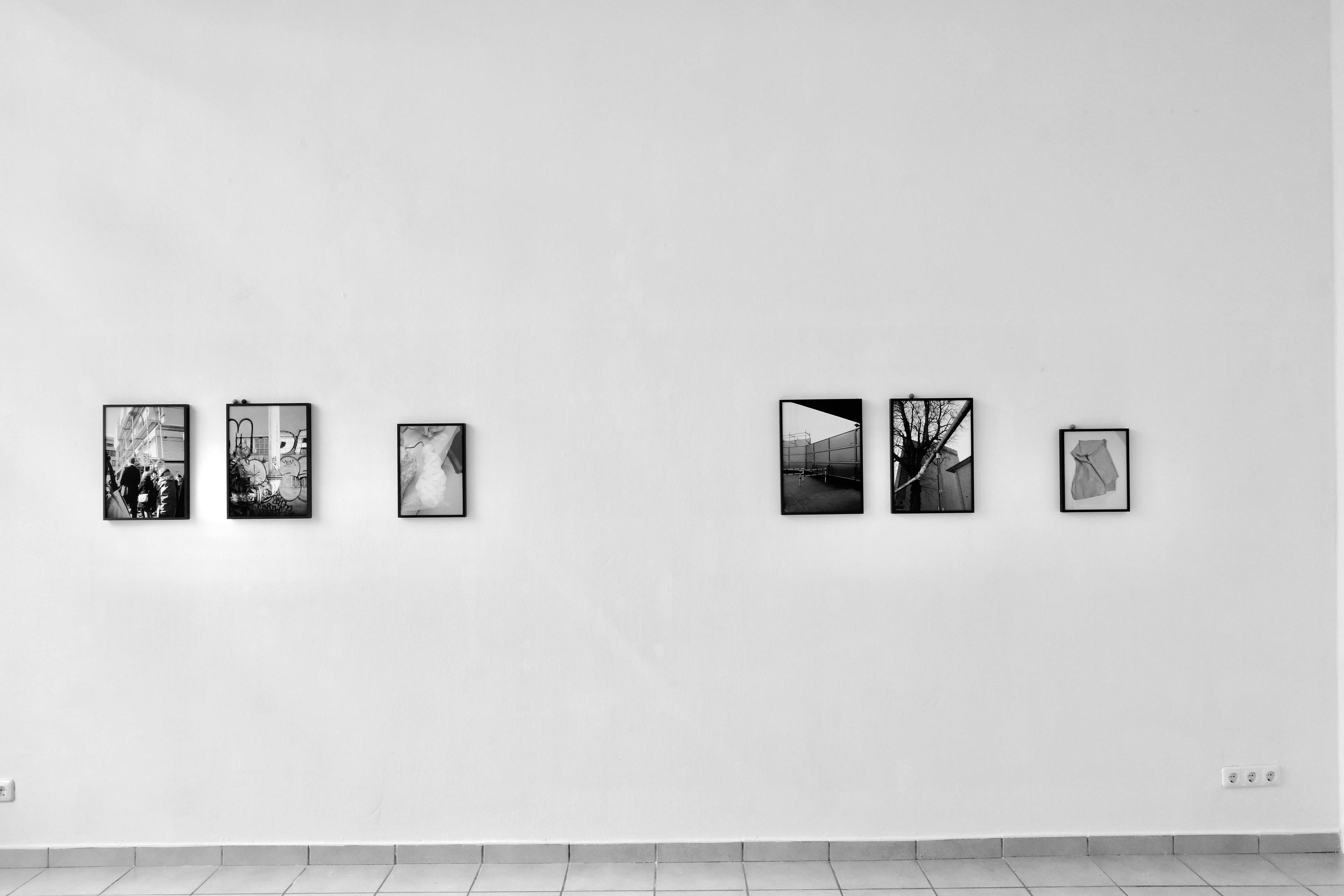
Installation view Matjö
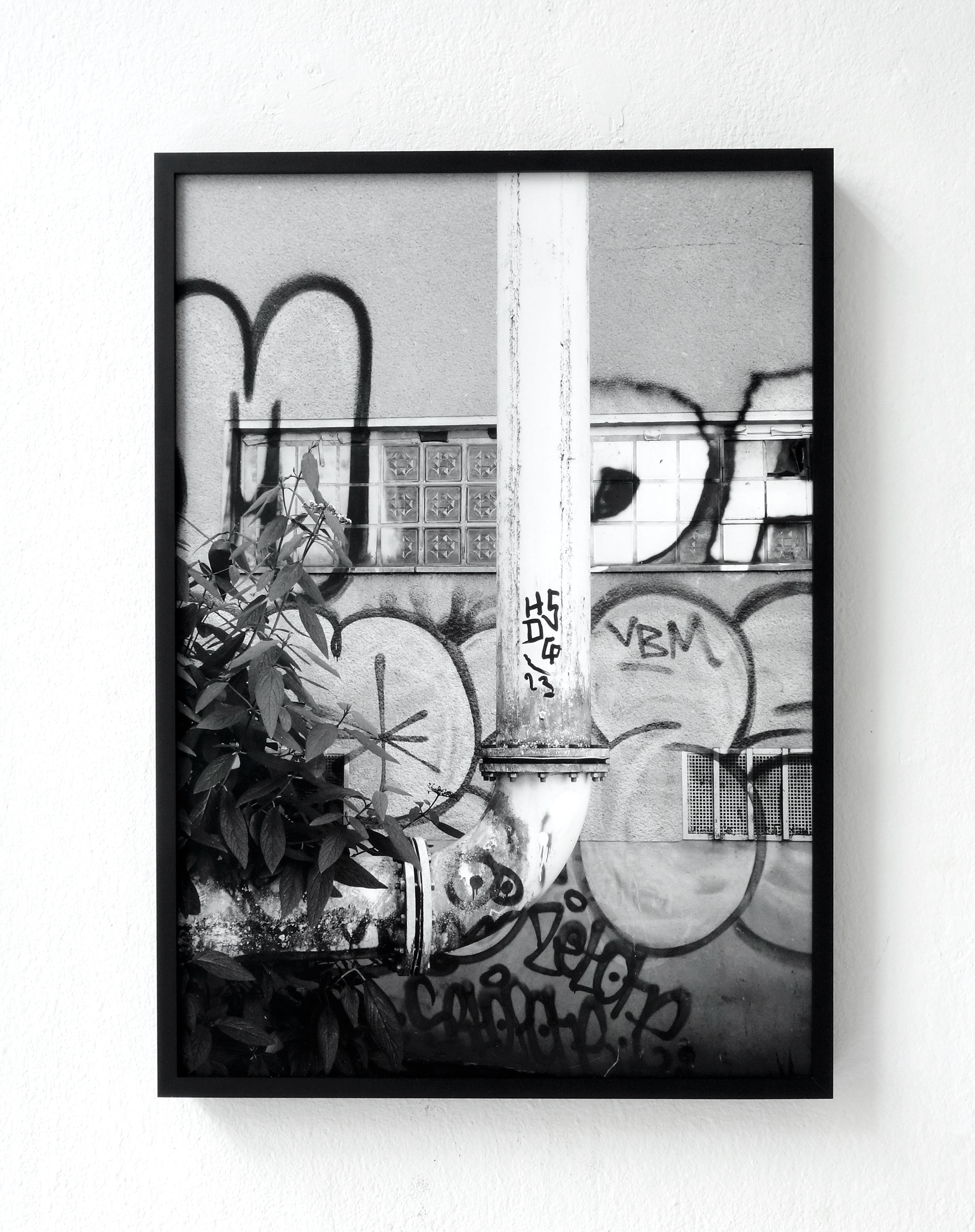
Installation view Matjö
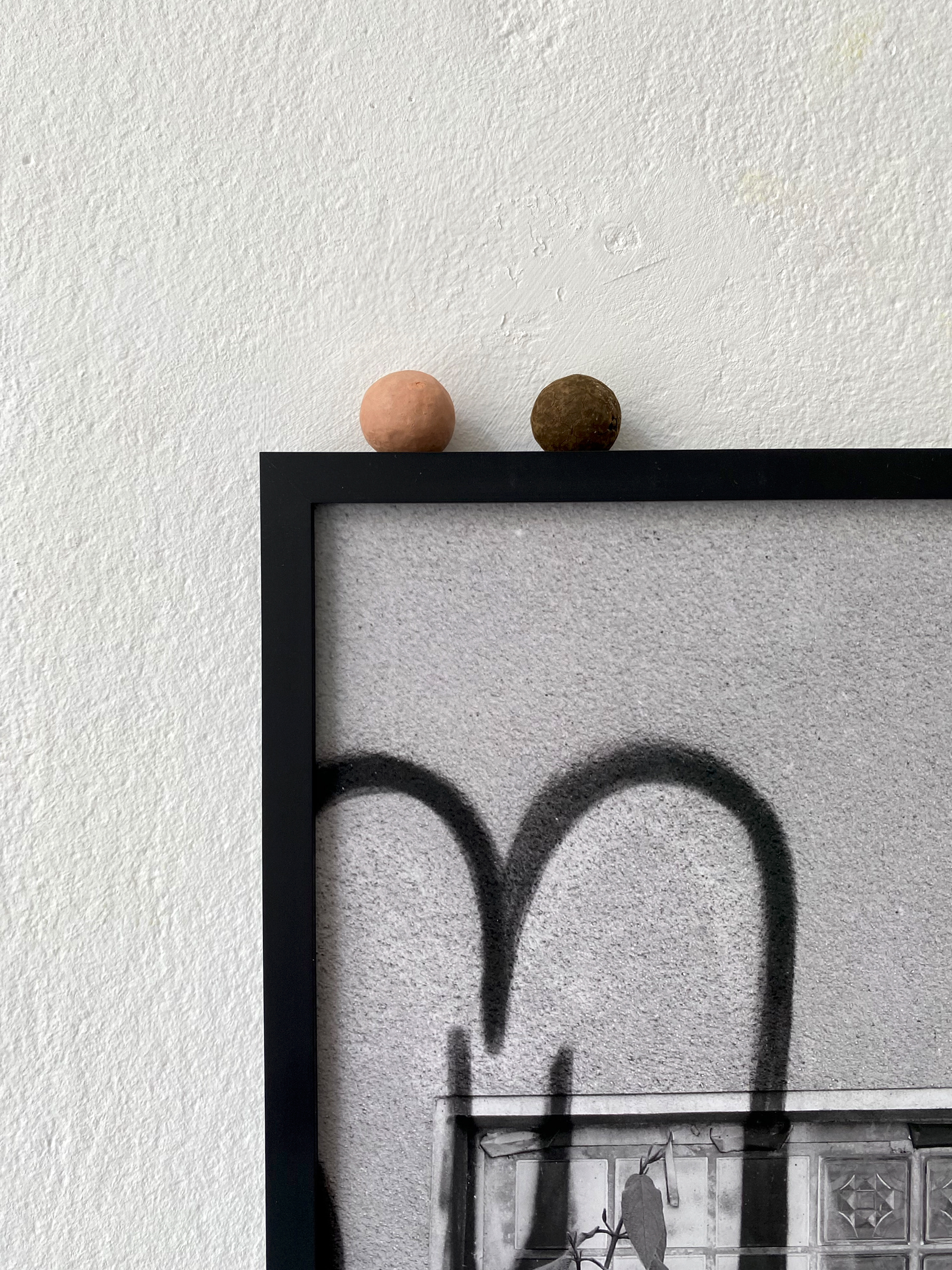
Installation view Matjö
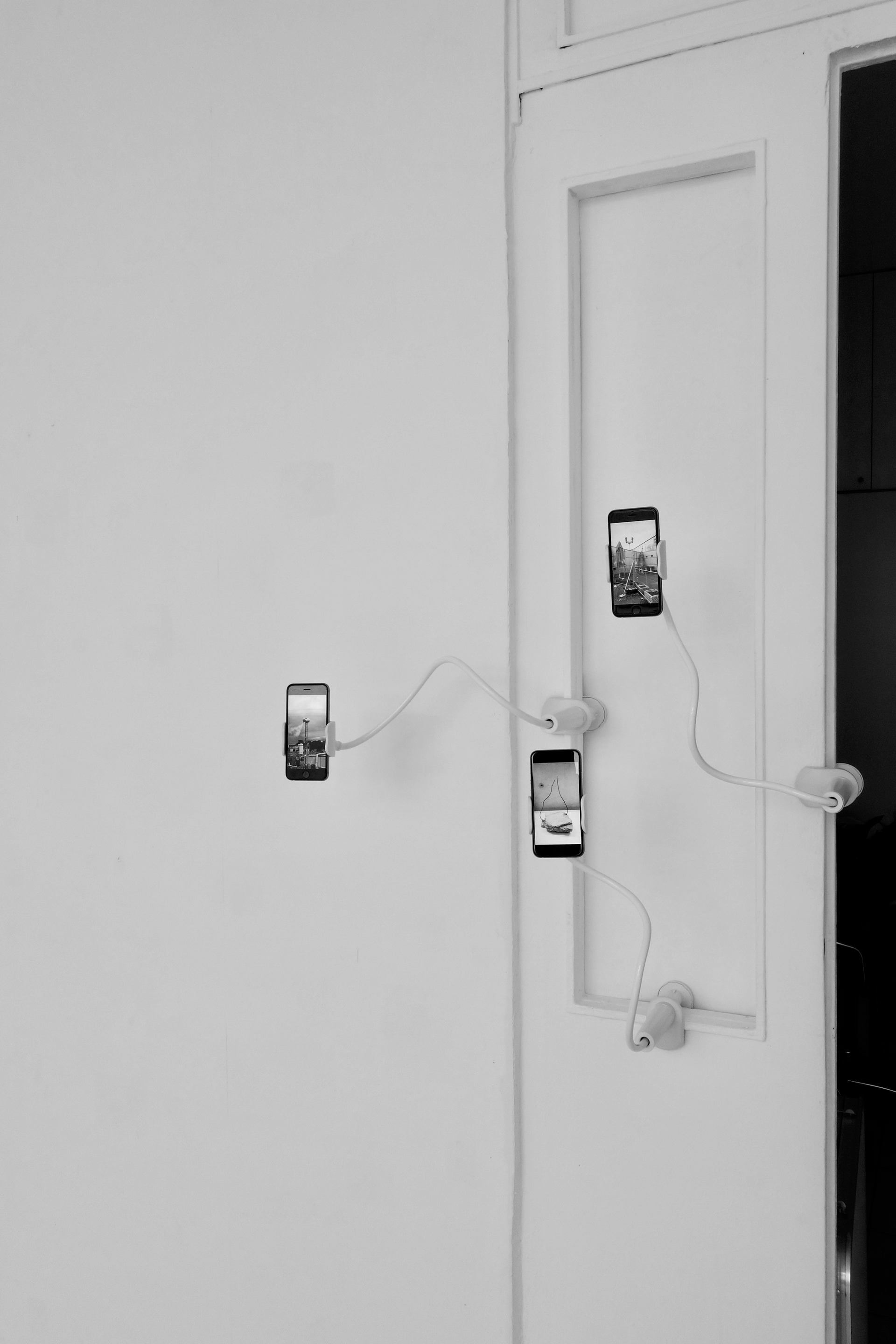
Installation view Matjö
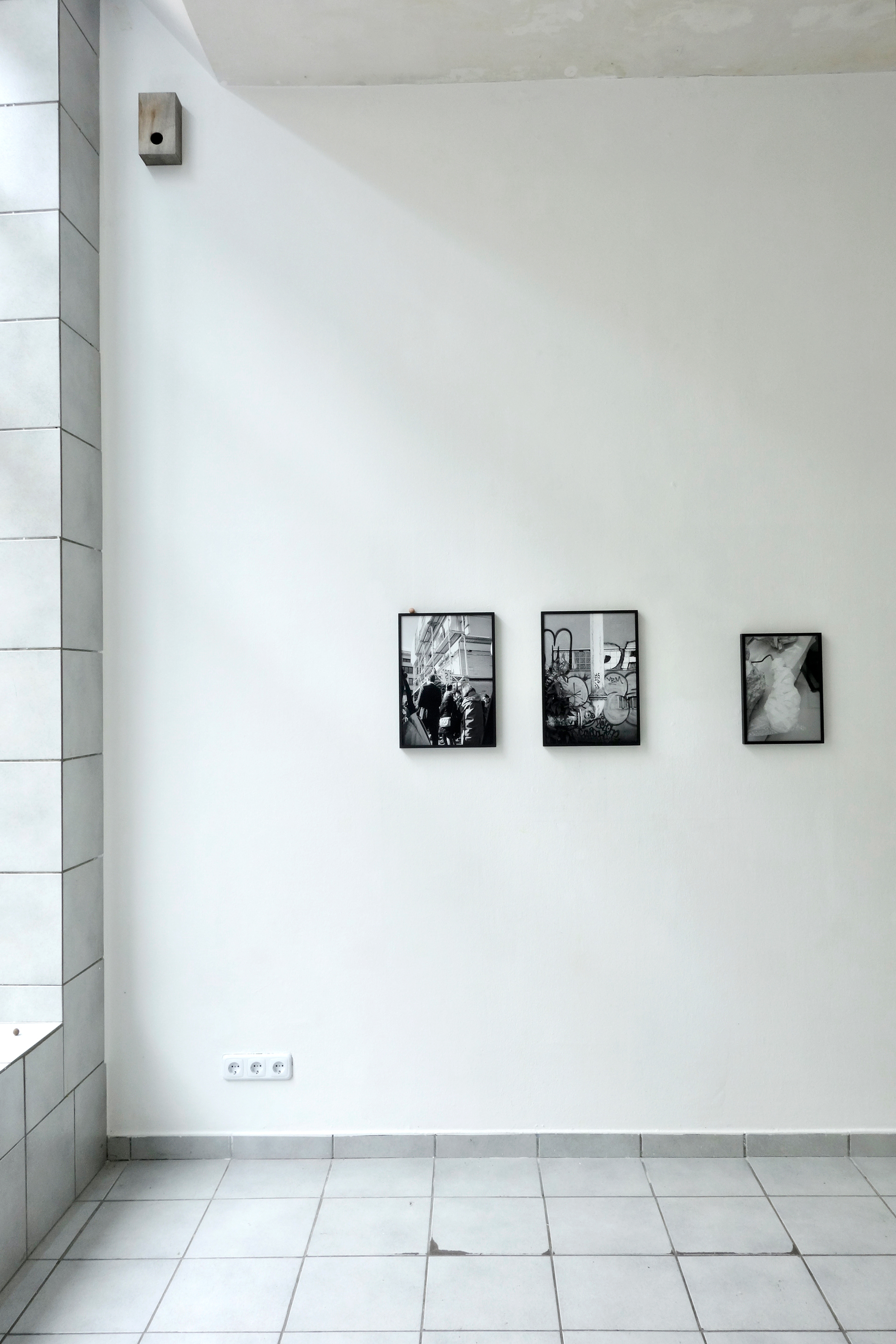
Installation view Matjö
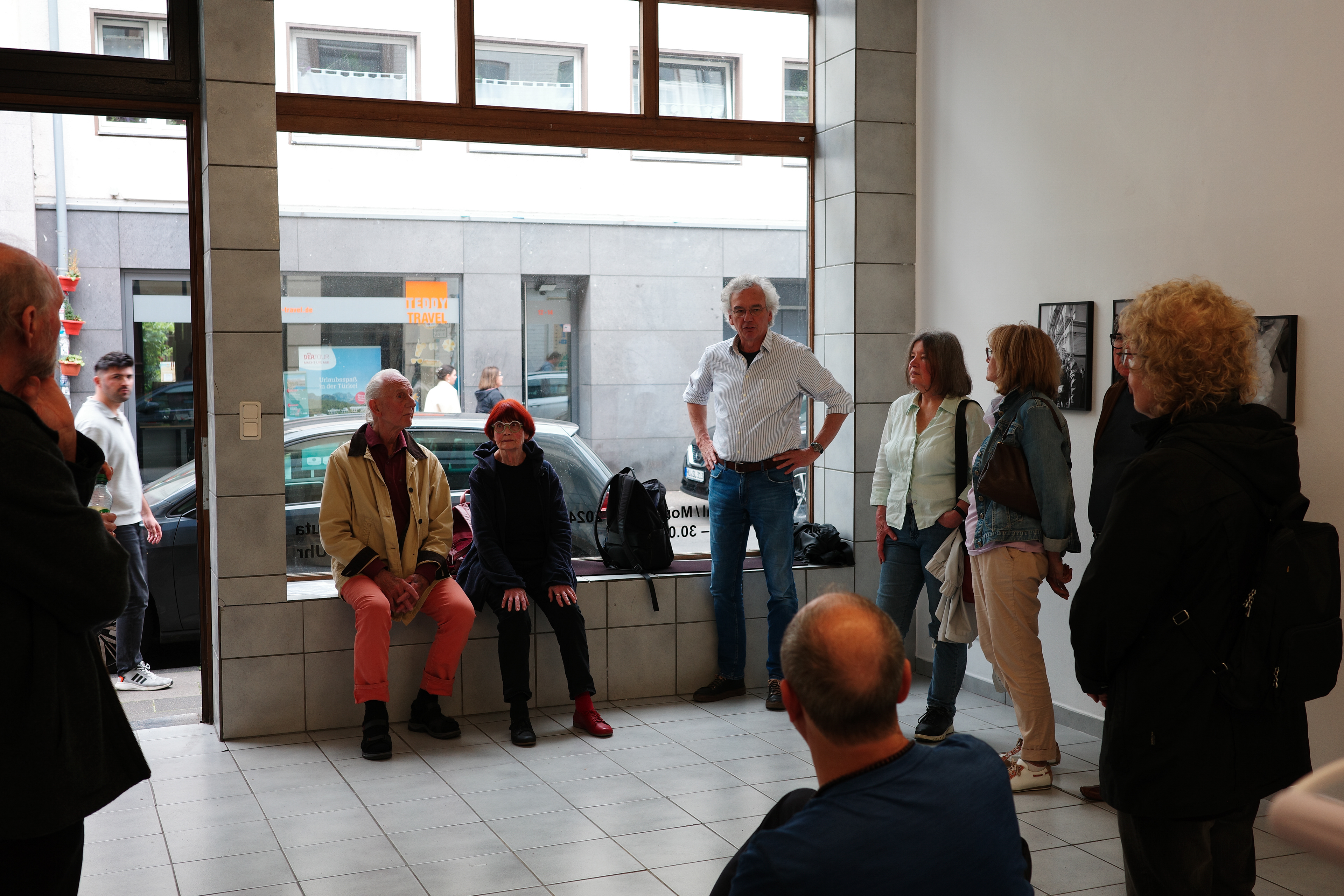
Guided tour to the site where the city archive collapsed